Sometime in 2026, SpaceX is expected to attempt one of the most technically demanding maneuvers ever tried in spaceflight: rendezvousing two Starship vehicles in low Earth orbit and pumping cryogenic methane and oxygen from one to the other. If it works, it clears the single largest engineering hurdle to landing humans on the Moon under NASA's Artemis program. If it doesn't, the Artemis III timeline slips.
Here's how the test is supposed to play out - and why every part of it has to work.
How the test will work
According to NASA's published Artemis HLS architecture, the demonstration involves two Starship launches three to four weeks apart. The first launch places a "target" Starship in orbit. The second sends a "chaser" tanker that autonomously rendezvouses with the target.
Once docked, the two vehicles use a small pressure differential to transfer propellant between their tanks - a deceptively hard problem in zero gravity, where ordinary fluids float around inside their containers as a foamy mix of liquid and vapor instead of pooling neatly at the bottom of the tank.
SpaceX has already demonstrated intertank propellant transfer (between two tanks on the same Starship) during Flight Test 3 in March 2024 - a NASA-funded milestone. Ship-to-ship transfer is a much bigger leap.
Why orbital refueling is the whole game
Starship's most ambitious missions only work if it can be refueled in orbit. The vehicle physically cannot carry enough propellant from the ground to send a crewed lander to the Moon - let alone Mars - in a single launch.
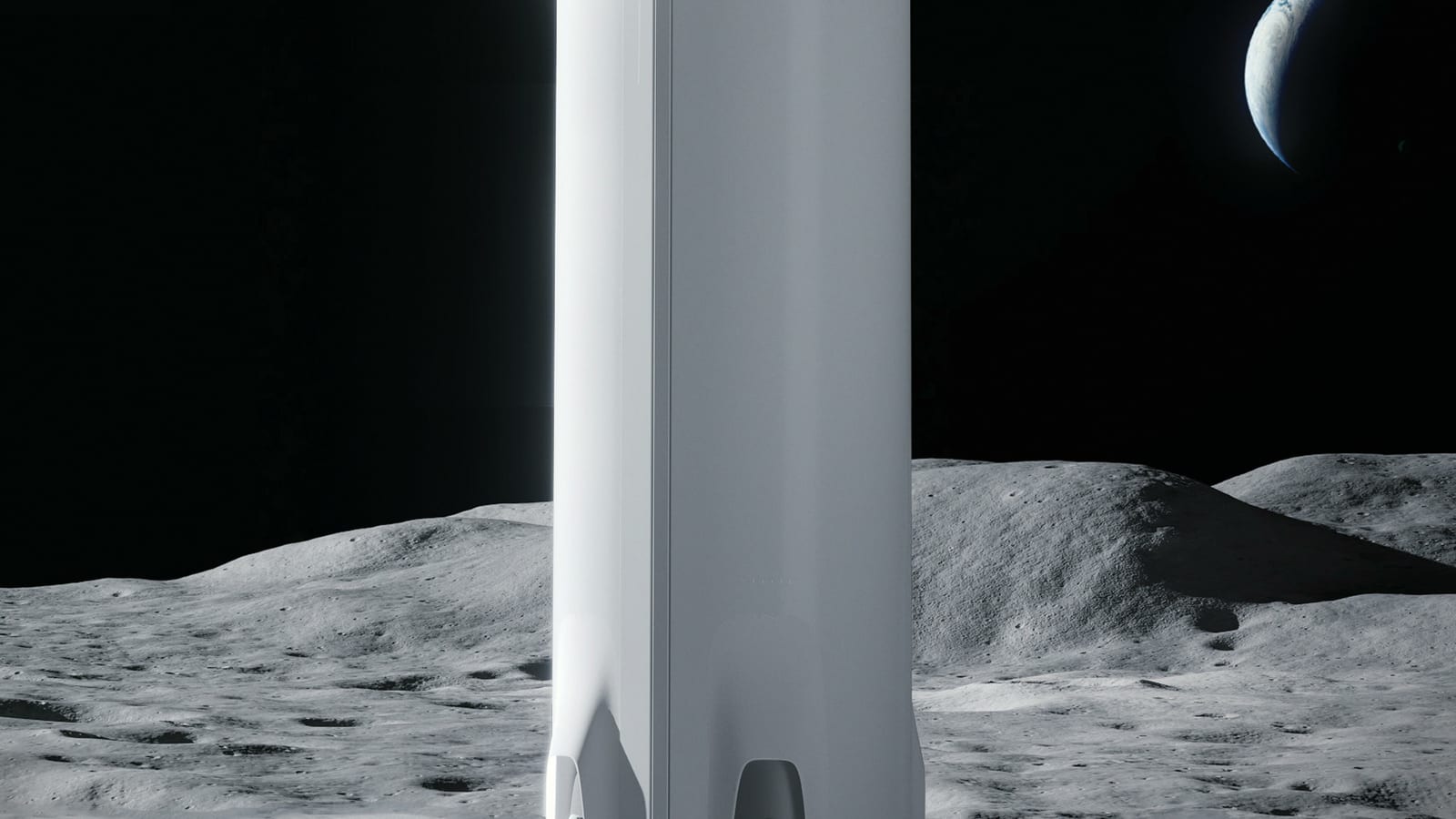
The Artemis III architecture calls for one crewed Starship Human Landing System (HLS) variant to launch on its mission and rendezvous with a propellant depot that has been pre-filled by a series of uncrewed tanker flights. Until the ship-to-ship transfer is demonstrated end-to-end, the entire architecture is unproven.
The hard problems after demo day
The successful demonstration is, according to NASA's most recent assessments, the gating event for Artemis III. Specific challenges that remain after the first transfer demo:
- Cadence: Can SpaceX launch enough tanker flights, fast enough, to fill a depot before too much propellant boils off?
- Long-duration storage: Cryogenic methane and oxygen warm up and evaporate. How long can a depot reasonably hold them?
- Crew-rated docking: All operations planned so far are uncrewed. A crewed HLS will need additional certification work.
Elon Musk indicated in February 2025 that "orbital refilling probably happens next year," suggesting NET 2026 for the demo. NASA's Artemis III, contingent on this and other milestones, is currently targeted for late 2027.
We track every Starship test, Artemis milestone, and HLS architecture update on the spaceflight beat - that's the place to follow this thread.